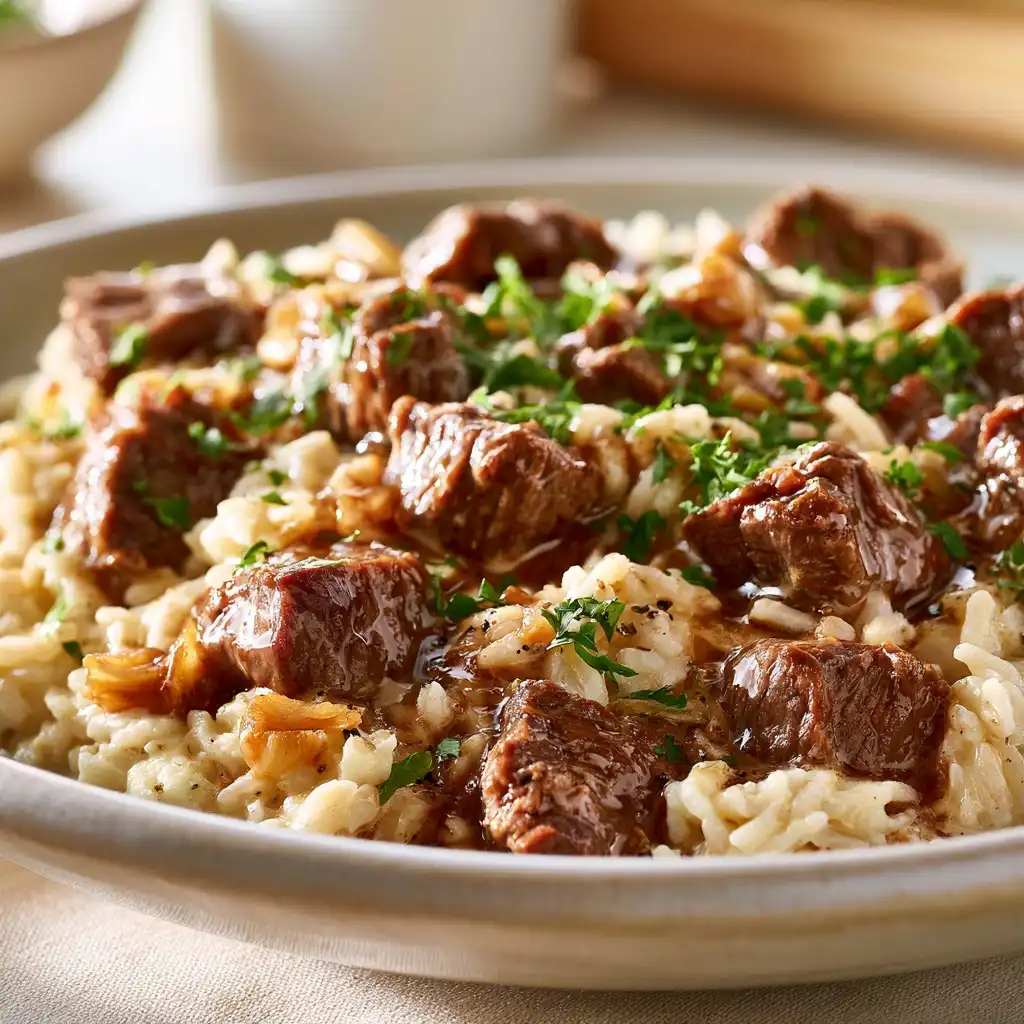
As a busy home cook, I’ve learned that the real secret to a happy weeknight isn’t a four-hour braise—it’s a lightning-fast, flavor-packed dinner that tastes like you spent hours on it. And if there’s one recipe that has saved my family countless times when the clock is ticking, it’s these Quick Sesame Chicken Noodles.
Forget takeout menus. In less time than it takes to decide what to order, you can have a steaming bowl of perfectly cooked noodles, tender chicken, and a rich, deeply savory sesame sauce that coats everything beautifully. This recipe is an absolute staple because it requires minimal ingredients, uses pantry heroes, and delivers maximum satisfaction. It’s comforting, vibrant, and, best of all, truly ready in 20 minutes.
Why This Recipe Matters: The Secret to 20-Minute Flavor
This isn’t just a basic noodle dish; it’s engineered for speed, convenience, and depth of flavor. Here’s why you’ll never go back to the slow lane:
- Pantry Powerhouse: The sauce relies on staple ingredients—soy sauce, rice vinegar, sesame oil, and a touch of sweetness—meaning you likely have everything right now. No last-minute grocery run needed!
- Simultaneous Cooking: The magic of the 20-minute timeline is that the chicken cooks while the noodles boil. By the time the noodles are drained, the chicken is ready, and all that’s left is tossing them together with the vibrant sauce.
- Umami Bomb: We use both soy sauce (salty umami) and sesame oil (nutty umami) to build a complex flavor foundation that tastes far more intricate than its simple ingredients suggest. A secret ingredient? A small spoonful of peanut butter or tahini (if you’re nut-free) adds luxurious creaminess and depth to the sauce.
Ingredients for Quick Sesame Chicken Noodles
| Component | Essential Ingredients | Notes for Success |
| Noodles | 1 pound spaghetti, fettuccine, or ramen noodles (dry) | Cook according to package directions. Don’t overcook! |
| Chicken | 1 pound boneless, skinless chicken breast or thighs, cut into 1-inch cubes | Thighs add more flavor and stay juicier. |
| The Sauce Base | Soy sauce (low sodium), rice vinegar, toasted sesame oil, honey or brown sugar, fresh ginger, garlic | Crucial: Use toasted sesame oil for max flavor. |
| Thickener/Creaminess | 1 Tablespoon cornstarch, 1 Tablespoon peanut butter or tahini (optional) | Cornstarch helps the sauce cling to the chicken and noodles. |
| Toppings | Sesame seeds, chopped scallions (green onion) | Add a lovely texture and fresh bite. |
Ingredient Deep Dive & Substitution Matrix (H3)
When it comes to speed, the right ingredients make all the difference. Knowing how to swap without sacrificing flavor is the mark of a great home cook!
Chicken Cuts:
While chicken breast is leaner and cooks fastest, I highly recommend using boneless, skinless chicken thighs. They stay incredibly tender, are much harder to overcook, and offer a richer flavor that stands up beautifully to the sesame sauce. If using breasts, slice them thinly (1/2 inch) to ensure they cook through quickly.
Noodle Choice:
The great thing about this recipe is its flexibility. You can use almost any noodle you have on hand:
- Best for Slurping: Ramen noodles (the dried kind, discard the seasoning packet), lo mein, or egg noodles.
- Most Common: Spaghetti or linguine work perfectly and are usually in the pantry.
- Gluten-Free Option: Try brown rice noodles or gluten-free spaghetti. Pro-Tip: Don’t rinse rice noodles, as the starch helps the sauce stick.
The Sweetener Swap:
I often use honey for a more complex, floral sweetness, but brown sugar or even maple syrup will work just as well. The key is balance—the sweetness cuts through the salty soy sauce and sharp vinegar.
| Ingredient | Substitution | Reason |
| Low Sodium Soy Sauce | Tamari or Coconut Aminos | Gluten-free alternative. Tamari is closest in flavor. |
| Rice Vinegar | Apple Cider Vinegar (less volume) | Provides the necessary acidity, but use slightly less for apple cider vinegar. |
| Fresh Ginger/Garlic | 1/2 tsp dried ginger/garlic powder | Fresh is best, but powder works in a pinch for speed. |
| Chicken Breast | Pre-cooked shredded rotisserie chicken | Takes the cooking time down to 10 minutes. Toss it with the sauce and noodles at the end. |
| Scallions (Green Onion) | Chives or finely diced red onion | For a different texture and sharpness, but still provides a fresh green finish. |
Simple Step-by-Step Instructions
This recipe moves quickly, so have all your ingredients prepped—chicken diced, sauce whisked, and ginger/garlic minced—before you start cooking.
1. Cook the Noodles
Bring a large pot of salted water to a boil. Add the noodles and cook according to package directions until al dente (firm but cooked).
- Crucial Step: Before draining, reserve about 1/2 cup of the starchy pasta water. This water is liquid gold for adjusting the sauce consistency later.Drain the noodles and toss them with 1 teaspoon of sesame oil to prevent sticking. Set aside.
2. Sear the Chicken
While the noodles are boiling, whisk together 1 tablespoon of cornstarch with 1 tablespoon of cold water in a small bowl. Toss the diced chicken in this mixture. This thin coat ensures a lovely, quick sear and helps the sauce cling.
Heat 1 tablespoon of neutral oil (like canola or vegetable) in a large skillet or wok over medium-high heat. Add the chicken and cook for 5–7 minutes, turning occasionally, until the chicken is browned and cooked through (internal temperature of 165°F / 74°C). Remove the chicken from the pan and set it aside.
3. Make the Sesame Sauce
Reduce the heat to medium. Add the minced garlic and grated fresh ginger to the same pan and cook for about 30 seconds until fragrant (do not let them burn!).
Whisk together the remaining sauce ingredients in a bowl: soy sauce, rice vinegar, toasted sesame oil, honey, and any optional peanut butter or tahini.
Pour the sauce into the pan and let it simmer gently for 1–2 minutes until it thickens slightly. If it’s too thick, add a splash of the reserved noodle water. If it’s too thin, let it simmer for another minute.
4. Combine and Serve
Return the cooked chicken and the drained noodles to the pan with the sauce. Toss everything quickly but thoroughly, making sure the sauce evenly coats the chicken and every strand of noodle. Add a tablespoon or two of the reserved starchy water if the mixture seems dry or sticky.
Serve immediately, garnished generously with sesame seeds and chopped scallions.
5 Creative Variations for Sesame Noodles
Once you have the foundation of the sauce mastered, you can turn this quick dinner into a new favorite five nights a week. This is where the Ultimate Guide approach really shines—flexibility and flavor experimentation!
1. Spicy Chili-Garlic Chicken Noodles
Add 1–2 teaspoons of chili garlic sauce (like Huy Fong brand) or Sriracha directly to the sesame sauce mixture. Increase the fresh garlic and ginger by 50%. Top with a handful of chopped, roasted peanuts for crunch and a drizzle of chili oil for an extra layer of heat. For a different Asian-inspired flavor, try making a batch of Asian Chicken Salad with Crunchy Vegetables with a similar sauce profile for lunch the next day.
2. Sesame Veggie Power Bowl
Make this a vegetarian-friendly meal! Omit the chicken and replace it with 1 cup of pan-fried or baked cubed tofu (for protein) or 1 cup of shelled edamame. Stir-fry your favorite veggies—broccoli florets, shredded carrots, bell peppers, and snap peas—in the wok before adding the sauce. Toss everything together for a vibrant, plant-forward meal.
3. Crunchy Peanut Chicken Noodle Stir-Fry
This variation leans heavily into the nutty flavor. Increase the peanut butter in the sauce to 3 Tablespoons (or tahini for nut-free). Use a tablespoon of toasted peanut oil instead of neutral oil for searing the chicken. Stir in a cup of shredded cabbage and matchstick carrots during the last minute of tossing. The resulting dish is rich, creamy, and wonderfully crunchy.
4. Sesame Ginger Chicken and Greens
For a healthier, more nutrient-dense meal, use whole wheat spaghetti or zucchini noodles (zoodles) in place of traditional pasta. After removing the chicken, quickly wilt a large handful of fresh baby spinach or kale in the pan before adding the sauce. The greens will soak up the flavor beautifully, and it’s a quick way to get an extra vegetable serving into your dinner.
5. Lemon-Sesame Chicken Noodle Bowl
Brighten the classic flavor profile by incorporating fresh citrus. Add the zest of one lemon and 1 tablespoon of fresh lemon juice to the sesame sauce before cooking. This variation offers a tangier, cleaner taste. It pairs well with a side of steamed asparagus or green beans. For another quick chicken dinner with a lemon theme, you might enjoy the rich flavor of a One-Pot Chicken and Rice: No-Fail Recipe.
Storage & Meal Prep Guide (H3)
This is an excellent recipe for meal prepping, whether you’re making lunch for the week or just saving leftovers for tomorrow’s dinner.
- Refrigerating Leftovers: Once the dish has cooled to room temperature, transfer it to an airtight container. It will keep well in the refrigerator for 3–4 days. The sauce will naturally thicken as it cools.
- Reheating: For the best results, reheat the noodles in a non-stick skillet over medium-low heat. Add a splash (1–2 Tablespoons) of water, chicken broth, or extra soy sauce/sesame oil as you warm it up. This loosens the sauce back up and re-moisturizes the noodles, preventing a dry or sticky texture. You can also microwave them, adding a few drops of water before zapping.
- Meal Prep Strategy: For best texture, keep the sauce and the noodles/chicken separate if prepping more than 2 days in advance. Cook the chicken and noodles, cool them completely, and store them in separate containers. Store the sauce in a small dressing container. Just before eating, reheat the chicken and noodles, then pour the sauce over and toss.
Expert Tips for Perfect Sesame Noodles
- Toast Your Sesame Seeds: It takes 2 minutes in a dry skillet and amplifies the nutty flavor exponentially. Do it while your water is boiling.
- The Power of Fresh: Don’t skip the fresh garlic and ginger. They provide a bright, zesty aroma that powder simply can’t replicate.
- Taste, Then Adjust: Soy sauce and other brands vary in sodium. Always taste the sauce before you add it to the noodles. If it’s too salty, add more honey/sugar or water. Too bland? Add another dash of soy sauce. Too sweet? Add a squeeze of lime juice.
- Don’t Rinse Cooked Noodles: Unlike some pasta salads, you want the residual starch on these noodles. That starch is what allows the sesame sauce to cling beautifully to every single strand. Only rinse if you’re eating them cold (like a cold noodle salad).
Troubleshooting: Common Fixes for Sesame Chicken Noodles (H3)
Sometimes, even the simplest recipes have snags. Here are the most common issues and how to fix them fast.
| Problem | Cause | Quick Fix |
| Sauce is too thin/watery | Noodles were too wet after draining, or not enough cornstarch was used. | Mix 1 tsp cornstarch with 1 tsp cold water. Add to the simmering sauce and cook for 30 seconds, stirring until thickened. |
| Noodles are sticky/clumped | Overcooked noodles, or not enough oil/liquid after draining. | Add 1/4 cup of the reserved hot noodle water or a dash of neutral oil and toss vigorously while reheating gently in the pan. |
| Dish tastes too bland | Not enough salt (soy sauce) or not enough acid (vinegar). | Add 1 more teaspoon of soy sauce and 1 teaspoon of rice vinegar. You can also brighten the flavor with a squeeze of fresh lime juice. |
| Chicken is dry | Chicken was cut too small or cooked too long. | Chop it up finer and toss it very well in the sauce to re-moisturize it. Next time, use chicken thighs or consider making The Ultimate Slow Cooker Creamy Garlic Chicken Noodles for guaranteed moist chicken. |
Serving Suggestions and Pairings
Because this dish is a complete meal in a bowl, featuring protein, carbs, and fats, you don’t need much to go with it!
- Crisp Salad: A simple side salad with a light, non-creamy dressing, perhaps a rice wine vinaigrette, is a great contrast.
- Steamed Greens: Quickly steam or sauté some baby bok choy, broccoli, or snow peas with a pinch of salt and a dash of sesame oil.
- Appetizer: Try pairing this with Healthy Crockpot Tuscan Chicken Recipe if you’re making a larger feast for guests, focusing on the Italian-Asian fusion for a multi-course dinner.
Frequently Asked Questions (FAQ)
Q: Can I make the sesame sauce ahead of time?
A: Absolutely! The sauce can be whisked together and stored in an airtight container in the refrigerator for up to 5 days. You may need to whisk it again vigorously before using, as the ingredients can separate.
Q: What is the best kind of noodle for this recipe?
A: The most flexible and reliable choice is spaghetti or linguine. However, Asian-style noodles like dried ramen or lo mein are the most authentic for texture and flavor.
Q: Is this recipe gluten-free?
A: It can be! The main ingredient that contains gluten is the traditional soy sauce. To make it gluten-free, simply substitute the regular soy sauce with Tamari or Coconut Aminos. Ensure your noodles are also gluten-free (using rice noodles or gluten-free pasta).
Q: Can I use pre-cooked chicken?
A: Yes, and this is the ultimate time-saver! If you’re using pre-cooked, shredded rotisserie chicken, skip step 2 entirely. Toss the shredded chicken directly into the warm sauce along with the noodles. This cuts the active cooking time down to about 10 minutes.
Q: How do I store and reheat leftovers?
A: Store leftovers in an airtight container in the refrigerator for up to 4 days. When reheating, add 1–2 tablespoons of water or chicken broth to the container before microwaving or pan-frying. This helps to re-hydrate the noodles and loosen the sauce, preventing it from tasting dry.
In the end, cooking a great meal doesn’t have to be a marathon. These Quick Sesame Chicken Noodles are proof that you can achieve deep, satisfying flavor in a flash. It’s the perfect recipe to add to your weeknight rotation, proving that being busy doesn’t mean sacrificing a delicious, home-cooked meal. Enjoy every slurp! External Link: Visit the USDA website for food safety guidelines for chicken