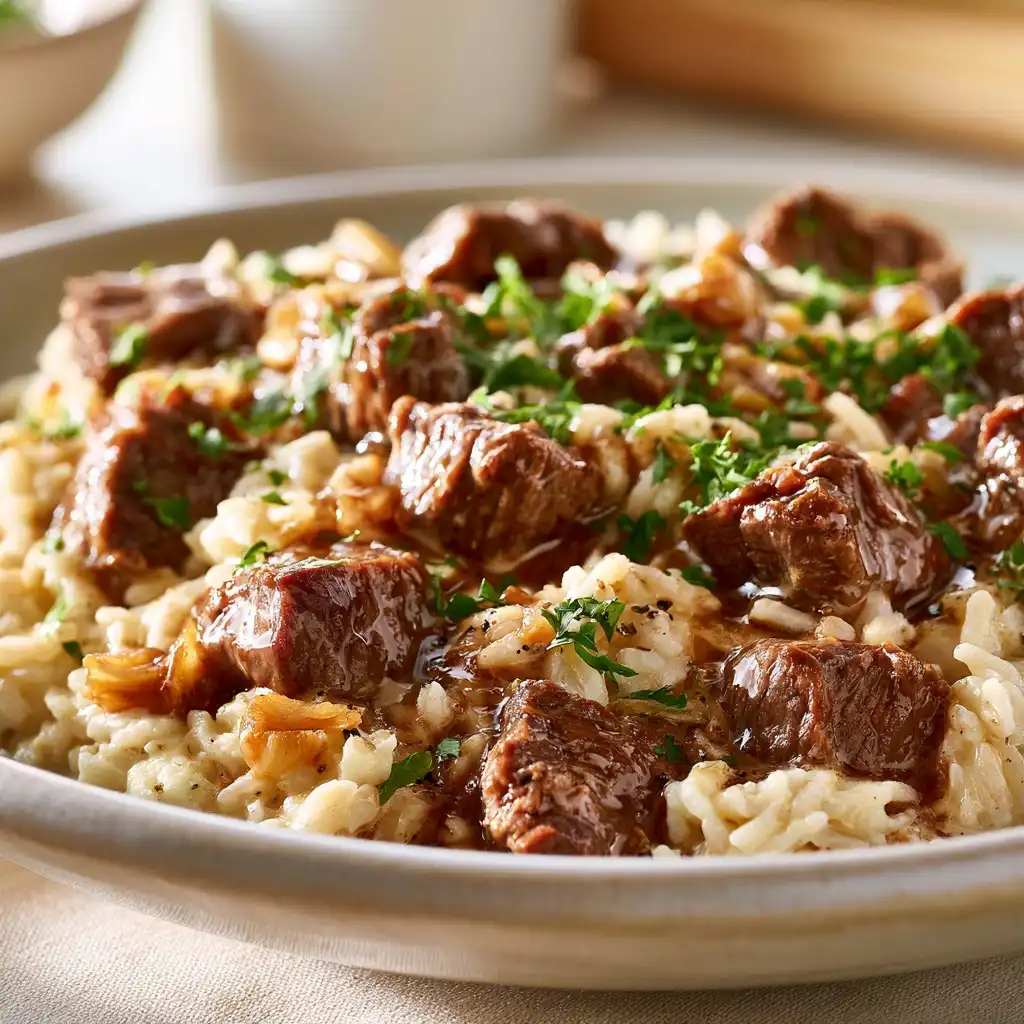
As a busy mom and family nutritionist, my gold standard for a weeknight meal is simple: it must be flavorful, fast, and feature everything a healthy body needs—lean protein, fiber, and vibrant vegetables—all in a single pot. Forget the endless scrubbing; this Lemon Garlic Chicken and Spinach Orzo recipe is the definitive answer to the “What’s for dinner?” question, making it my most-requested meal from family and friends.
This recipe is a masterpiece of balance. The lemon zest brightens the savory garlic, creating a sauce that clings perfectly to the little rice-shaped pasta (orzo). Cubes of tender chicken breast provide satisfying protein, while fresh spinach melts right into the sauce, adding essential nutrients without any bitterness. It’s an easy, high-utility recipe that works beautifully whether you have 30 minutes on the stovetop or want to set it and forget it in the slow cooker (yes, I’ve included that variation!).
This isn’t just a recipe; it’s a foundation for weeknight success. It’s the kind of comforting, vibrant dish that brings everyone to the table, and better yet, you’ll only have one main pot to clean.
Why This Lemon Garlic Chicken and Spinach Orzo Works
The engagement factor of this dish comes down to three key elements: flavor, speed, and complete nutrition. It’s more than just another chicken recipe; it’s engineered for efficiency and health.
- One-Pot Wonder Status: Everything—the chicken, the orzo, the sauce, and the spinach—cooks in the same large pot or Dutch oven. This drastically reduces cleanup time, which is a massive win for busy families.
- The Power of Orzo: Orzo (or risoni as it’s sometimes called) is a pasta, not a grain, and it cooks much faster than rice. When cooked in the broth, it releases starch, naturally creating a creamy, velvety sauce without the need for heavy cream or butter. This is the secret to its luxurious texture.
- Nutritional Density: This recipe is inherently balanced. Chicken provides high-quality lean protein, spinach is loaded with vitamins K, A, and C, and the orzo offers a satisfying carbohydrate base. It’s a genuinely healthy, complete meal in one bowl.
- Maximum Flavor, Minimum Effort: The simple trio of fresh lemon, garlic, and chicken broth creates a complex, savory, and bright flavor profile that tastes like it simmered for hours, but only takes about 30 minutes to prepare from start to finish.
Ingredient Deep Dive: Roles and Smart Substitutions
The quality of this dish relies on a few key, high-impact ingredients. Understanding their role is crucial for making the right substitutions or adjustments to fit your dietary needs or pantry availability.
Chicken Breast (The Lean Protein)
- Role: Provides the main source of protein and heartiness. It’s lean and cooks quickly when cut into 1-inch pieces, ensuring it’s tender, not tough.
- Substitutions:
- Chicken Thighs: Adds more flavor and moisture but requires a longer cooking time (add 5-7 minutes).
- Pork Tenderloin: Use if you want a change of protein. Ensure it’s trimmed and cubed the same size; the cooking time is similar.
- White Beans (Canned): For a vegetarian option. Add them rinsed and drained during the last 5 minutes of cooking to heat through.
Orzo Pasta (The Creamy Base)
- Role: Releases starch to thicken the sauce and acts as the satisfying carbohydrate foundation of the meal.
- Substitutions:
- Arborio Rice: For a risotto-style dish. Will require significantly more liquid and a longer cooking time (30-40 minutes) with constant stirring.
- Small Pasta Shapes (Ditalini, Stelline): Closest substitution. Texture will be slightly different, but the cooking time will be similar.
- Quinoa: For a gluten-free and higher-fiber option.1 Cook the quinoa separately and mix it in at the end, as it will absorb too much liquid and may overcook if simmered with the chicken.
Fresh Spinach (The Nutrient Boost)
- Role: Provides essential vitamins, fiber, and a beautiful green color.2 It wilts down dramatically, so don’t be afraid of a large quantity.
- Substitutions:
- Kale (Tuscan or Curly): Requires a longer cooking time. Chop it finely and add it with the orzo so it has time to soften.
- Frozen Spinach: A convenient swap. Thaw it completely, squeeze out all excess water, and stir it in during the last two minutes of cooking. (Use about 1/2 the amount of fresh).
- Arugula: For a peppery bite. Stir it in right at the end, just before serving, as it wilts instantly.
Lemon (The Brightener)
Role: Provides essential acid to balance the richness and lift the flavors of the garlic and chicken broth. Both zest and juice are required.
Substitutions:
- Apple Cider Vinegar or Rice Vinegar: Can substitute $1$ tablespoon of the lemon juice with $1/2$ teaspoon of vinegar, as these are much more potent in acidity. This will provide the necessary sour note, but the classic lemon aroma will be missing.
- Calamansi or Lime Juice: For a different citrus profile. Start with $2$ tablespoons and taste, as they can be more intense than lemon. You would also use their zest in place of lemon zest.
Chicken Broth (The Liquid Gold)
- Role: The cooking liquid for the orzo and the base for the sauce.
- Substitutions:
- Vegetable Broth: Suitable for a non-chicken option, though the flavor will be less robust.
- Water + Better Than Bouillon: Highly concentrated flavor; use less bouillon than directed to control the saltiness.
Full Meal Planning & Prep Guide
This recipe is incredibly versatile for meal prepping, whether you’re making it ahead for grab-and-go lunches or just getting a head start on tomorrow’s dinner.
Pre-Cook Prep (Up to 3 Days Ahead)
- Chop & Store: Cut the chicken into 1-inch cubes and place it in an airtight container. Mince the garlic and keep it separate, or mince it with 1 tablespoon of olive oil to make a quick garlic paste.
- Make the Dry Mix: In a small bowl, combine all the dry seasonings (oregano, salt, pepper, etc.). Keep this next to your chicken.
- Zest the Lemon: Zest the lemon and store the zest in a tiny container. Juice the lemon and store the juice separately. Pro Tip: Keep the lemon juice separate; adding the acid too early can prematurely “cook” the spinach and diminish the freshness.
The Full Meal Prep Strategy (Cook Once, Eat Thrice)
- The Full Batch Method: Cook the recipe entirely as directed. Let it cool completely, then portion it into individual containers. Because the orzo continues to absorb liquid, I recommend adding an extra 1/4 cup of broth or water to each container before refrigerating. This keeps the meal from drying out during reheating.
- The Component Method: Cook the seasoned chicken entirely and shred or dice it. Cook the orzo separately in chicken broth (or water) according to package directions. Store the chicken and orzo separately. When ready to serve, mix them together with fresh garlic, lemon juice, and lightly sautéed spinach. This yields the freshest texture.
The Dynamic Visual Element: Flavor-Boosting Chart
| Flavor Enhancement | When to Add | Impact on Dish |
| Pinch of Red Pepper Flakes | With the garlic and butter | Adds a subtle warmth and kick |
| Feta or Goat Cheese | Stirred in at the very end | Creaminess and a salty, briny tang |
| Sun-Dried Tomatoes | With the chicken broth and orzo | Adds sweet, concentrated tomato flavor |
| Aromatic Herbs (Dill/Chives) | Garnished on top, after cooking | A fresher, more herbaceous finish |
| A Splash of Heavy Cream | During the last 2 minutes of simmering | Creates a rich, ultra-creamy sauce (use 1/4 cup) |
Lemon Garlic Chicken and Spinach Orzo Recipe
This one-pot method is designed for speed and maximum flavor layering.
Ingredients
- 1 1/2 lbs boneless, skinless chicken breast, cut into 1-inch cubes
- 1 teaspoon dried oregano
- 1 teaspoon salt, plus more to taste
- 1/2 teaspoon black pepper, plus more to taste
- 1 tablespoon olive oil
- 2 tablespoons unsalted butter
- 4 cloves garlic, minced4
- 1 cup orzo pasta (risoni)
- 3 cups low-sodium chicken broth, divided
- 1 tablespoon fresh lemon zest
- 3 tablespoons fresh lemon juice
- 5 ounces fresh baby spinach (about 5 cups, loosely packed)
- 1/4 cup grated Parmesan cheese, plus extra for serving
- 1/4 cup chopped fresh parsley, for garnish
Step-by-Step Instructions
- Season the Chicken: In a medium bowl, toss the cubed chicken with oregano, 1 teaspoon of salt, and 1/2 teaspoon of pepper until evenly coated.
- Sear the Chicken: Heat the olive oil and butter in a large Dutch oven or deep skillet over medium-high heat. Add the seasoned chicken and sear for 3-4 minutes until lightly browned on all sides. The chicken does not need to be cooked through at this point. Remove the chicken from the pot and set it aside, leaving the remaining oil and browned bits in the pot.
- Sauté Aromatics: Reduce the heat to medium. Add the minced garlic to the pot and sauté for about 1 minute until fragrant. Do not burn the garlic.
- Deglaze and Toast Orzo: Pour in 1/4 cup of the chicken broth and 1 teaspoon of vinegar (or apple cider vinegar) to deglaze the pot. Scrape up any browned bits from the bottom of the pot—this is where the flavor is! Let this mixture simmer for about 1 minute. Add the orzo pasta to the pot and toast, stirring constantly, for 1 minute. Toasting the orzo adds a wonderful nutty depth of flavor.
- Simmer: Pour in 2 1/2 cups of the chicken broth. Bring the mixture to a boil, then reduce the heat immediately to low, cover the pot, and simmer for 8-10 minutes. The orzo should be almost cooked (al dente) and most of the liquid should be absorbed.
- Add Chicken and Spinach: Return the seared chicken and any accumulated juices to the pot. Stir in the remaining 1/2 cup of chicken broth, the lemon zest, and the fresh lemon juice.
- Wilt the Spinach: Add the fresh spinach in large handfuls, stirring constantly until it completely wilts into the sauce. This should only take 2-3 minutes.
- Finish and Serve: Remove the pot from the heat. Stir in the Parmesan cheese and 1/4 cup of fresh parsley. Taste and adjust the seasoning with additional salt and pepper as needed. Serve immediately with extra Parmesan cheese and a sprinkle of fresh parsley.
5 Creative Variations to Keep It Fresh
One of the beautiful things about a base recipe like this is how easily it adapts. Here are five distinct variations that can turn this recipe into a completely different meal, catering to various diets and preferences.
1. Slow Cooker Lemon Garlic Chicken and Orzo (The Pinterest Target)
To specifically target the user intent for Chicken Crockpot Recipes, this variation eliminates the stovetop time and transforms the dish into a true set-it-and-forget-it weeknight hero. The core flavor profile of lemon and garlic is ideal for slow cooking.
- Prep: Place the cubed chicken, minced garlic, oregano, salt, and pepper into the slow cooker pot.
- Cook: Pour in 3 cups of chicken broth. Cover and cook on LOW for 3-4 hours or HIGH for 2 hours, until the chicken is tender.
- Finish: During the last 20 minutes, increase the heat to HIGH (if on LOW). Stir in the orzo pasta, lemon zest, and lemon juice. Cover and cook until the orzo is tender (about 15-20 minutes). Stir in the spinach and Parmesan cheese, let it wilt, and serve.
For more slow cooker inspiration, check out my recipe for Healthy Crockpot Tuscan Chicken Recipe.
2. Tuscan-Style Lemon Garlic Orzo
Elevate the dish with richer Mediterranean flavors.
- Swap: Replace the plain butter with sun-dried tomato oil.
- Additions: Add 1/2 cup of drained, oil-packed sun-dried tomatoes (chopped) and 1/4 cup of Kalamata olives (pitted and halved) along with the chicken broth.
- Finish: Finish with 1/4 cup of crumbled feta cheese instead of Parmesan. This adds a salty, briny depth that is essential to Tuscan cooking. This variation offers a different take on one-pan meals, much like my popular Healthy Baked Tuscan Chicken: The Ultimate One-Pan Weeknight Meal.
3. Shrimp and Asparagus Orzo
Turning the protein and veggie focus to a spring-friendly meal.
- Swap: Replace the chicken with 1 pound of peeled and deveined large shrimp.
- Prep: Do not pre-cook the shrimp. Follow the recipe up to Step 5 (simmering the orzo).
- Finish: When you return the “chicken” to the pot (Step 6), add the shrimp, 1 cup of chopped asparagus spears, lemon juice, and lemon zest. The shrimp only needs 3-5 minutes of simmering until pink and opaque. The asparagus will cook al dente perfectly in this time.
4. Creamy Mushroom and Lemon Orzo
This variation focuses on an earthier flavor profile with a richer mouthfeel.
- Pre-Cook: Before searing the chicken, sauté 8 ounces of sliced Cremini mushrooms in the pot until they release their liquid and brown slightly (about 5-7 minutes). Remove them and set them aside with the chicken.
- Liquid Swap: Replace 1/2 cup of the chicken broth with 1/2 cup of heavy cream at the very end (Step 7), right before adding the spinach.
- Finish: Stir the sautéed mushrooms back into the final dish. The creaminess is reminiscent of this fan-favorite Slow Cooker Creamy Garlic Parmesan Chicken.
5. High-Fiber Barley Swap
For those focused on maximizing fiber and complex carbohydrates.
- Swap: Replace the orzo with pearl barley (or a blend of farro/barley).
- Adjustment: Barley takes significantly longer to cook. You will need to increase the chicken broth to 4 cups and increase the simmering time (Step 5) to approximately 35-45 minutes. The orzo will be added at the beginning, along with the broth.
- Process: After the garlic (Step 3), add the barley and toast for 2 minutes. Add the full 4 cups of broth and simmer until the barley is tender, before adding the chicken and spinach for the last 5 minutes.
Troubleshooting & Fixes: Common Orzo Mistakes
Working with orzo in a one-pot meal is different from cooking it alone. Here are the top mistakes I see home cooks make and how to fix them immediately.
Problem 1: The Orzo is Too Dry/Pasty
- Cause: The heat was too high during simmering, or your lid wasn’t sealing well, causing too much liquid to evaporate quickly. Orzo, like rice, continues to absorb liquid even after the heat is off.
- The Fix: Immediately stir in 1/4 cup of warmed chicken broth or water. If it’s still too thick, continue adding liquid, one tablespoon at a time, until the sauce reaches your desired creamy consistency. If you let it sit for a while before serving, you will almost always need to add a splash of liquid.
Problem 2: The Chicken is Dry and Tough
- Cause: The chicken was cooked for too long in the searing stage, or it spent too much time simmering with the orzo. Lean proteins, like chicken breast, cook quickly.
- The Fix: Unfortunately, you cannot truly un-cook dry chicken. However, you can save the dish. Shred the chicken into smaller pieces, which makes the dryness less noticeable, and ensure the final sauce is very creamy to coat it well. Preventative Tip: Only sear the chicken for 3-4 minutes to develop color, then remove it completely. Return it only during the last 8-10 minutes of cooking.
Problem 3: The Sauce Tastes Bland or Flat
- Cause: This is often a simple lack of salt or, more commonly, not enough acid (lemon). The starch from the orzo and the richness of the chicken can mute the flavors.
- The Fix: Adjust the Acid/Salt Balance. Add a pinch more salt (use kosher or sea salt) and 1/2 teaspoon more fresh lemon juice. That bright splash of acid is what cuts through the richness and makes the flavors pop. If it’s still bland, try a teaspoon of vinegar (like apple cider) for a quick flavor boost. When done right, you get a clean, punchy flavor profile, similar to a good One-Pot Chicken and Rice No-Fail Recipe.
Detailed Storage & Reheating Pro Tips
This dish makes for fantastic leftovers, provided you know the secret to preventing the orzo from becoming a hard, dry block in the fridge.
Storage
- Refrigeration: Once the dish has cooled to room temperature (within 1-2 hours of cooking), transfer the portions into individual, airtight containers. The dish will last safely in the refrigerator for 3-4 days (Sources: USDA).
- Freezing: While safe to freeze, freezing is not recommended for maximum quality. The orzo tends to get mushy when thawed and reheated. If you must freeze it, store it in a freezer-safe bag or container for up to 3 months. Thaw overnight in the refrigerator.
Reheating Pro Tips for the Best Leftovers
The orzo will continue to absorb liquid from the sauce as it cools and sits. Reheating requires reintroducing that moisture to bring back the creamy texture.
- Stovetop (Best Quality): Transfer the leftovers to a small saucepan. Add 1/4 cup of chicken broth or water per serving. Heat over medium-low heat, stirring frequently, until the dish is piping hot. The added liquid will loosen the sauce and rehydrate the pasta.
- Microwave (Quickest): Transfer to a microwave-safe dish. Add 1-2 tablespoons of water or broth and stir. Cover the dish with a paper towel or a microwave-safe lid (to trap moisture) and heat in 60-second intervals, stirring in between, until heated through.
- Topping Secret: Always finish your reheated leftovers with a squeeze of fresh lemon juice, a pinch of fresh parsley, and a fresh grating of Parmesan cheese. This “freshening” step masks any dullness that comes from reheating and makes the meal taste like it was just cooked. (Source: Cook’s Illustrated)
Frequently Asked Questions (FAQ)
Q: Is orzo a type of rice?
A: No, orzo is actually a type of pasta.5 It is made from semolina flour, just like most Italian pasta, but it is shaped like a large grain of rice, which is why it is often called risoni (meaning “large grains” in Italian).6 Its starchy composition is why it creates such a wonderfully creamy sauce in this one-pot recipe.
Q: Can I use whole-wheat orzo?
A: Absolutely. Whole-wheat orzo is an excellent substitution for added fiber. It may require 2-3 extra minutes of simmering time and potentially an extra splash of liquid, as whole grains tend to absorb more moisture than refined pasta.
Q: Can I make this a gluten-free meal?
A: Yes, you can. The chicken and sauce are naturally gluten-free. Simply replace the traditional orzo with gluten-free orzo (often made from corn or rice flour) or a small, gluten-free pasta shape like ditalini.7 For a high-protein, nutrient-dense swap, you can cook quinoa separately and stir it into the finished sauce. For more healthy protein meal ideas, take a look at my guide to Healthy Baked Tuscan Chicken: The Ultimate One-Pan Weeknight Meal.
Q: What is the best kind of pot to use for a one-pot meal like this?
A: A Dutch oven (enameled cast iron) or a heavy-bottomed, deep-sided skillet (like a 12-inch sauté pan) works best. The heavy base distributes heat evenly, preventing the orzo from scorching on the bottom, and the high sides prevent the liquid from boiling over.
Q: Why do I need both lemon zest and lemon juice?
A: The zest contains concentrated, volatile oils that carry the majority of the lemon flavor and aroma.8 The juice provides the essential acidity (sourness) needed to balance the fat and richness of the dish. You need both to get that bright, complex lemon flavor without making the dish overly sour. (Source: The Kitchn).
Q: Can I add other vegetables?
A: Yes, this recipe is very flexible. Try adding chopped zucchini, bell peppers, or thinly sliced carrots. Add hardier vegetables (carrots, peppers) with the chicken broth and orzo in Step 5 so they have time to soften. Add softer vegetables (zucchini, mushrooms) later, around the time you return the chicken to the pot.
Q: Is there a vegetarian alternative to the chicken?
A: Yes. Replace the chicken breast with two 15-ounce cans of cannellini or great northern beans (rinsed and drained), which will provide protein and a creamy texture. You can also substitute 1 cup of chopped artichoke hearts. Add the beans or artichoke hearts during the last 5 minutes of cooking, just to heat through, as they are already cooked. (Source: Mayo Clinic for nutritional information).