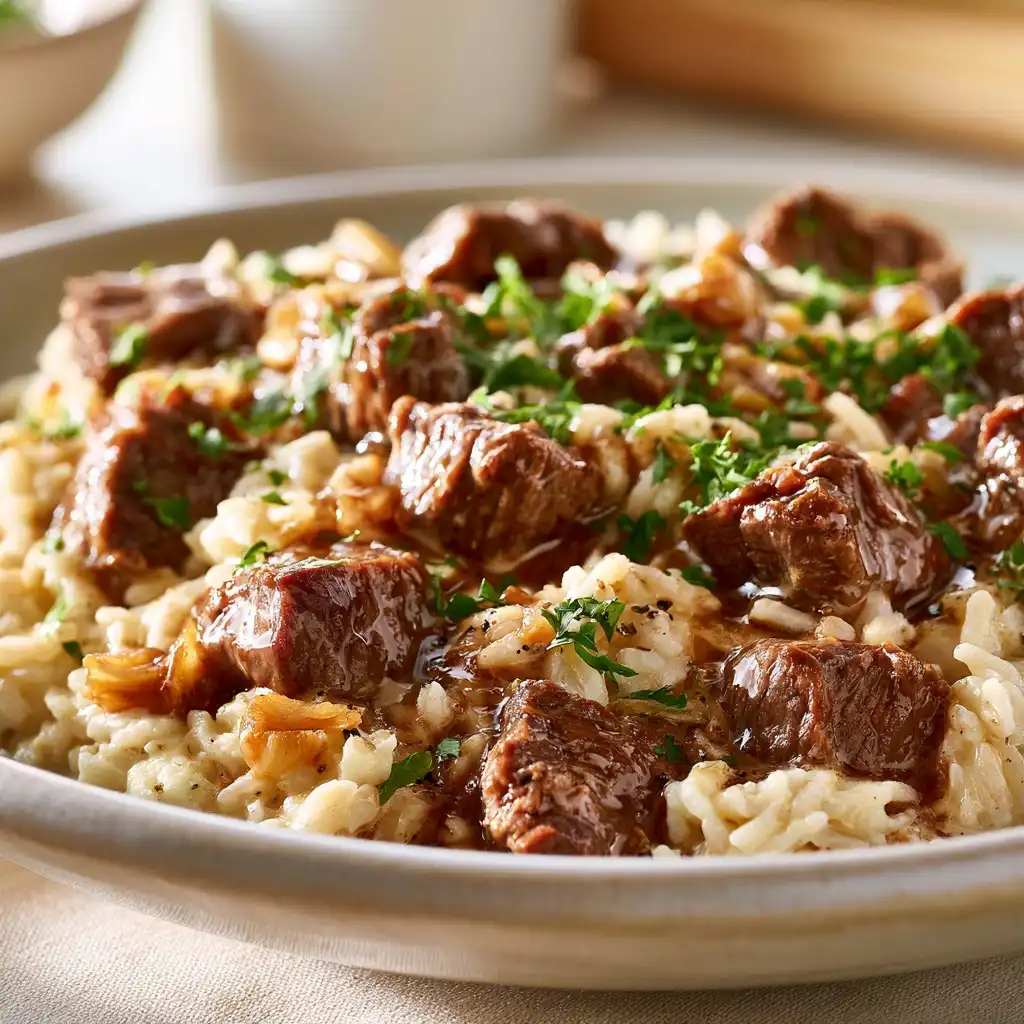
There is something almost magical about a dinner that looks like it came from a high-end bistro but only required one single pan and 20 minutes of your time. This Maple Dijon Sheet Pan Salmon is my absolute go-to for those hectic Tuesday nights when I want to feed my family something nutritious without spending an hour at the stove.
The star of the show is the glaze: a velvety, golden-brown mixture of pure maple syrup and tangy Dijon mustard that caramelizes beautifully in the oven. As the salmon roasts, it becomes buttery and flaky, while the surrounding vegetables get those delicious crispy, charred edges that everyone fights over.
If you’ve been looking for a way to make healthy eating feel like a treat rather than a chore, this is the recipe that will change your weeknight routine forever.
Why You’ll Love This One-Pan Wonder
- Minimal Cleanup: Since everything roasts on one sheet, you only have one pan to wash.
- Perfectly Balanced: You get the sweetness of the maple, the zing of the mustard, and the earthy crunch of roasted veggies in every bite.
- High Protein & Healthy Fats: It’s a powerhouse meal that keeps you full and focused.
The Origin of the Sheet Pan Staple
While “sheet pan meals” have become a modern kitchen phenomenon, the concept of roasting protein and vegetables together is a timeless technique. This specific flavor profile—maple and mustard—is a classic North American pairing. The maple syrup provides a natural sweetness that balances the oily richness of the salmon, while the Dijon mustard adds a sophisticated acidity that cuts through the fat.
I started making this version years ago when I realized that most salmon recipes were either too plain or too complicated. By combining the glaze directly on the pan, we skip the extra bowls and maximize the flavor infusion. It’s the ultimate evolution of the easy salmon dinner.
Ingredients You’ll Need
For this recipe, quality is key. I recommend using wild-caught salmon if available, as it has a deeper flavor and firmer texture.
For the Salmon and Glaze
- 4 Salmon Fillets (approx. 6 oz each, skin-on or off)
- 3 tbsp Pure Maple Syrup (Don’t use “pancake syrup”—you want the real stuff!)
- 2 tbsp Dijon Mustard (Smooth or grainy both work beautifully)
- 2 cloves Garlic, minced
- 1 tbsp Olive Oil
- 1/2 tsp Salt
- 1/4 tsp Black Pepper
For the Roasted Veggies
- 1 large head Broccoli, cut into bite-sized florets1
- 2 large Carrots, peeled and sliced into thin rounds
- 1 tbsp Olive Oil
- 1/2 tsp Garlic Powder
- Salt and Pepper to taste
Step-by-Step Instructions
1. Prep the Oven and Pan
Preheat your oven to 400°F (200°C). Line a large, rimmed baking sheet with parchment paper or aluminum foil for the easiest cleanup possible.
2. Season the Vegetables
Place the broccoli florets and carrot rounds on the baking sheet. Drizzle with 1 tablespoon of olive oil and sprinkle with garlic powder, salt, and pepper. Toss them directly on the pan until evenly coated, then spread them out to the edges, leaving a large space in the center for the salmon.
3. Whisk the Maple Dijon Glaze
In a small bowl, whisk together the maple syrup, Dijon mustard, minced garlic, olive oil, salt, and pepper. This mixture should be thick enough to coat the back of a spoon.
4. Arrange and Glaze the Salmon
Pat your salmon fillets dry with a paper towel (this helps the glaze stick!). Place the salmon in the center of the baking sheet. Generously brush or spoon the glaze over each fillet, ensuring the tops and sides are well-covered.
5. Roast to Perfection
Place the pan in the oven and bake for 12–15 minutes. The salmon is done when it reaches an internal temperature of 145°F (63°C) and flakes easily with a fork. If you like your veggies extra crispy, you can toss them halfway through the cooking time.
6. The Final Touch
For an extra layer of flavor, turn the broiler on for the last 1–2 minutes of cooking. This will cause the maple syrup to bubble and create a gorgeous, caramelized crust on the salmon. Watch it closely so it doesn’t burn!
Top 3 Pro Tips for Success
- Don’t Overcrowd the Pan: If the vegetables are piled on top of each other, they will steam instead of roast. Use two pans if you need to, or ensure there is plenty of “breathing room” between the broccoli florets.
- Room Temperature Fish: Take the salmon out of the fridge about 15 minutes before cooking. This ensures the fish cooks evenly all the way through.
- Uniform Veggie Sizes: Slice your carrots thinly so they cook at the same rate as the broccoli and salmon. If your carrots are too thick, they might still be crunchy when the fish is finished.
Common Mistakes to Avoid
- Using Imitation Syrup: Maple-flavored corn syrup is too thin and lacks the depth of flavor needed for this glaze. It will likely burn before the salmon is cooked.
- Overcooking the Salmon: Salmon can go from perfect to dry in a matter of 60 seconds. Start checking the flakes at the 12-minute mark.
- Ignoring the Pat-Dry Step: If the salmon is wet when you apply the glaze, the glaze will slide right off and pool on the bottom of the pan.
Ingredient Substitutions
| Original Ingredient | Best Substitute |
| Maple Syrup | Honey or Agave Nectar |
| Dijon Mustard | Honey Mustard or Spicy Brown Mustard |
| Broccoli | Asparagus or Brussels Sprouts |
| Carrots | Bell Peppers or Zucchini |
If you enjoy this style of cooking, you should also try my Sheet Pan Lemon Herb Chicken and Veggies or my One Pan Boneless Skinless Chicken Thighs for more easy weeknight inspiration.
Frequently Asked Questions
Can I use frozen salmon for this recipe?
Yes! However, you must thaw it completely in the refrigerator overnight and pat it very dry before adding the glaze. Frozen salmon often contains more moisture, which can affect the caramelization.
How do I store and reheat leftovers?
Store any leftovers in an airtight container in the fridge for up to 2 days. To reheat, I recommend using the oven at 300°F (150°C) for about 10 minutes. Avoid the microwave, as it can make the salmon rubbery.
What else can I serve with this?
This is a complete meal on its own, but it pairs beautifully with a side of fluffy quinoa or my One Pot Chicken and Rice if you want some extra carbohydrates.
Is this recipe gluten-free?
Yes, as long as your Dijon mustard is certified gluten-free (most are, but always check the label!).
Can I use salmon steaks instead of fillets?
You can, but keep in mind that salmon steaks often contain bones and may require an extra 2–3 minutes of roasting time depending on their thickness.
If you’re looking for more high-protein meal ideas that are great for your health, check out my High Protein Chia Seed Pudding Recipe for breakfast, or my Garlic Butter Shrimp Quick Healthy Dinner for another fast seafood option!