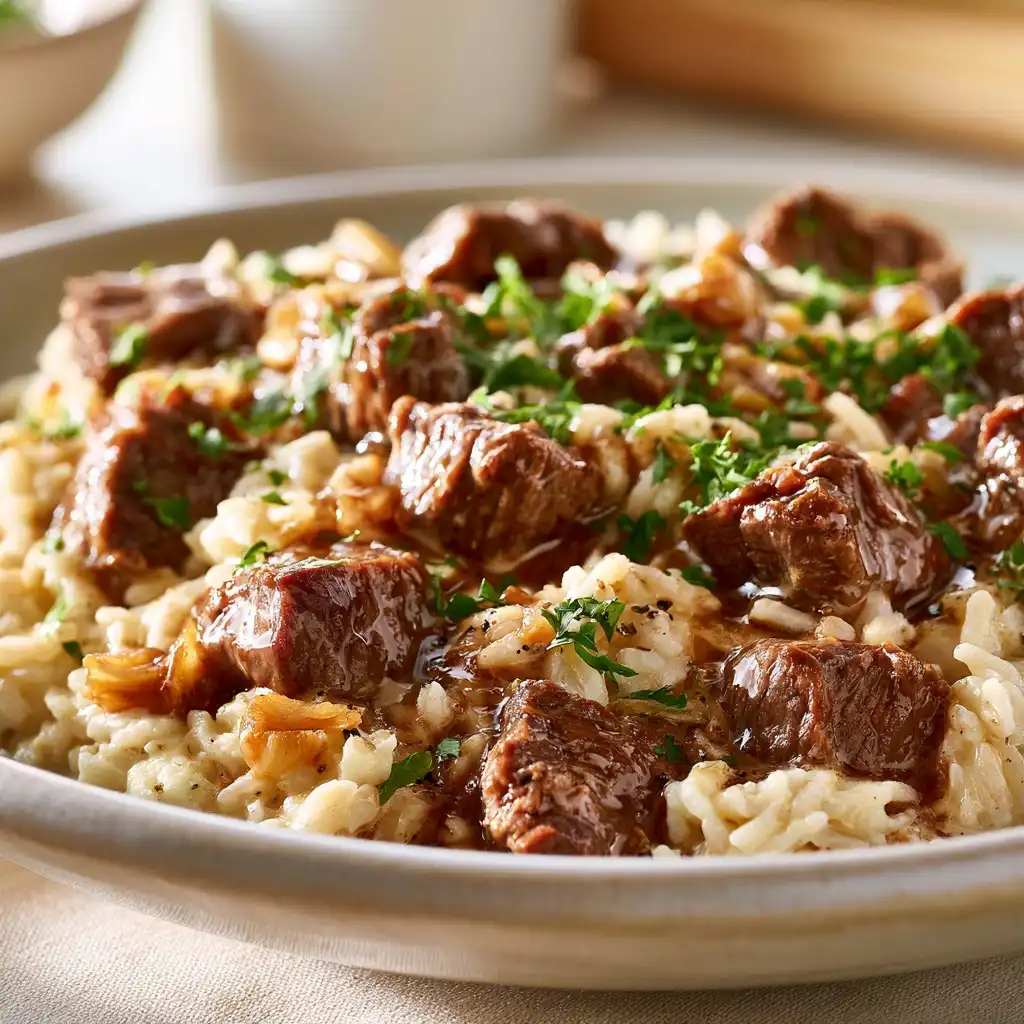
Hello! I’m Maya Brooks, and if there is one thing I’ve learned from over 20 years of family cooking, it’s the power of a simple, comforting, and versatile base recipe. That’s exactly what Frika (Potato and Cheese Hash) is.
This seemingly humble dish—a rustic hash of crispy fried potatoes and wonderfully melted, gooey cheese—is an iconic favorite from the Friuli region of Italy and Slovenia.1 It’s often called Frico in Italy and Frika in Slovenia, and it’s a masterclass in turning simple pantry staples into something truly extraordinary. It’s naturally vegetarian and eggless, making it the perfect savory breakfast, comforting lunch, or robust side dish for any family meal.
Forget complicated brunch recipes; this Frika (Potato and Cheese Hash) is your new go-to. It’s deeply satisfying, unbelievably quick to make, and provides a satisfying start or middle to your day, whether you’re serving it up with a green salad or just enjoying it straight from the pan.
Why This Potato and Cheese Hash Works for the Modern Family
The real magic of Frika, especially for busy parents and meal preppers, lies in its simplicity and adaptability.
It’s an ultimate clean-out-the-fridge recipe, transforming day-old potatoes and cheese ends into a gourmet-level dish. Beyond flavor, its high-carb and fat content offers sustained energy, making it an excellent, warming start to a cold day or a satisfying refueling meal after a busy afternoon. Because the traditional preparation relies on potatoes and cheese, it’s also gluten-free and naturally meets the growing demand for savory, satisfying eggless breakfast options. It’s comforting food that you can feel good about serving, especially when you pair it with a healthy protein on the side, like a smoothie or some grilled chicken.
The Essential Ingredients for Perfect Frika
Frika is about quality, not quantity. You only need a few key ingredients to achieve the signature creamy-crispy texture.
| Ingredient | U.S. Measurement |
| Potatoes (Russet or Yukon Gold) | 2 large (about 1.5 lbs) |
| Butter or Olive Oil | 2 tablespoons |
| Onion, finely chopped | 1/2 cup |
| Cheese (Montasio, Asiago, or Aged Cheddar) | 1 cup, shredded |
| Salt | 1/2 teaspoon, or to taste |
| Black Pepper | 1/4 teaspoon, or to taste |
Ingredient Deep Dive / Substitution Matrix
Choosing the right potato and cheese is crucial to Frika’s success. The cheese is the star, creating the signature crust and creamy interior.
| Ingredient | Role in Frika | Substitution (Taste/Texture Impact) |
| Potatoes (Russet/Yukon) | Provides the starch needed for the hash’s structure; high starch ensures a crispy exterior. | Sweet Potato (Sweeter, less crispy exterior) / Pre-cooked Potatoes (Reduces cooking time, use less oil) / Celery Root (Nutty, firmer texture, needs longer cooking) |
| Primary Cheese (Montasio) | Traditional choice; melts beautifully while releasing fat for the perfect crispy edge. | Aged Cheddar (Sharper flavor, good melt) / Gruyère (Nutty, excellent melt and stretch) / Provolone (Saltier, more moisture, may result in a softer hash) |
| Onion (White/Yellow) | Adds an essential layer of savory depth and aromatic sweetness. | Shallots (Milder, more delicate flavor) / Garlic (Use sparingly, adds a stronger, pungent flavor) / Leeks (Sweeter, requires thorough washing) |
| Fat (Butter/Oil) | Necessary for frying the potatoes to a crisp, golden brown. | Ghee (Higher smoke point, nutty flavor) / Avocado Oil (Neutral flavor, very high smoke point) / Coconut Oil (Adds a slight coconut flavor, not traditional) |
For a truly authentic Frika experience, you want a semi-hard, aged cheese like Montasio. If you can’t find it, a good Aged Cheddar or Asiago works beautifully. These cheeses have a good fat-to-moisture ratio, which allows them to melt smoothly without becoming greasy, forming that irresistible cheese crust. Scientific American discusses how the structure of cheese proteins determines its melt factor, which is key for this recipe Scientific American Article on Cheese Melting.
The Ultimate Frika Cooking Method
The secret to perfect Frika is achieving the crisp cheese bottom while keeping the interior potatoes and cheese creamy and melty. This is a two-step pan-to-oven process for guaranteed perfection.
Step-by-Step Instructions
1. Prepare the Potatoes
- Peel the potatoes and grate them using the coarse side of a box grater. Do not rinse them. The starch is vital for binding the hash together. You want that starch!
- In a large bowl, mix the grated potatoes with the chopped onion, salt, and pepper.
- Grate or shred your cheese (or use pre-shredded) and set it aside.
2. Sauté the Base
- In a 10-inch, oven-safe non-stick skillet or well-seasoned cast iron pan, melt the butter/oil over medium heat.
- Add the potato and onion mixture and press it firmly into an even layer using the back of a spatula. The tighter you pack it, the better it holds its shape.
- Let the hash cook undisturbed for 10–12 minutes. You want to hear it sizzle and form a deep golden-brown crust. Do not stir it! This is where the initial crispness develops.
3. Introduce the Cheese
- Once the bottom is deeply golden (carefully lift an edge to check), sprinkle the shredded cheese evenly over the top of the potatoes, covering the entire surface.
- Reduce the heat to low, cover the skillet, and cook for another 5 minutes, allowing the steam to melt the cheese and soften the potatoes completely.
4. Finish and Serve
- If the cheese isn’t fully melted or you want an even crispier top edge, transfer the skillet to a preheated oven at 350°F (175°C) for 3–5 minutes.
- Remove from the oven. Let the Frika rest for 2–3 minutes before serving. This allows the cheese crust to firm up slightly.
- Serve directly from the skillet or carefully slide the whole round onto a serving platter. Cut into wedges like a frittata or quiche.
Full Meal Planning & Prep Guide
Frika is a fantastic centerpiece for both savory breakfast and lunch/dinner.
Meal Planning Considerations
Frika is carbohydrate and fat-heavy, making it very satisfying. To create a balanced family meal, Maya Brooks recommends pairing it with lean protein and high-fiber vegetables.
- For Breakfast/Brunch: Serve with a side of fresh fruit and a high-protein option, such as a The Ultimate High-Protein Chia Banana Smoothie Guide: Your 5-Minute Meal Prep Powerhouse or a simple side of scrambled eggs (for those who don’t need it eggless).
- For Lunch/Side: Frika pairs beautifully with a simple green salad dressed with vinaigrette to cut the richness, or alongside grilled chicken or fish. Consider pairing it with a simple, yet robust, comfort meal like Cowboy Butter Chicken Linguine for a complete spread.
Detailed Storage & Meal Prep Guide
This is where the Ultimate Guide structure pays off—Frika is excellent for meal prep!
- Prep Ahead: You can grate the potatoes and onions up to 24 hours in advance. Store the mixture in an airtight container in the refrigerator, covered with cold water to prevent browning. Drain and pat very dry with a kitchen towel right before cooking.
- Storing Leftovers: Leftover Frika should be cooled completely and stored in an airtight container in the refrigerator for up to 4 days.
- Freezing: Freezing is possible, but the texture of the potatoes may become slightly mealy upon thawing. To freeze, wrap individual wedges tightly in plastic wrap, then place them in a freezer-safe bag. Freeze for up to 2 months. Thaw overnight in the refrigerator.
- Best Reheating Practices:
- Skillet Method (Best Quality): The best way to restore the crunch! Heat a little butter or oil in a non-stick skillet over medium heat. Place the Frika wedge in the pan and cook for 3–4 minutes per side, until heated through and the crust is crisp again.
- Oven Method: Place the wedges on a baking sheet and reheat at 350°F (175°C) for about 8–10 minutes, or until the cheese is bubbling and the potatoes are hot.
Frika Troubleshooting: Common Mistakes and Fixes
While Frika is simple, a few common errors can ruin that perfect texture.
1. The Hash is Soggy or Sticky
- The Mistake: Not pressing enough water/starch out of the grated potatoes, or stirring the hash too early in the cooking process.
- The Fix: Drain and then thoroughly pat the grated potatoes dry using a clean kitchen towel before mixing. Once the potatoes are in the skillet, resist the urge to stir! Let it cook undisturbed for the full 10–12 minutes to develop the starch-based crust. Increasing the heat slightly (to medium-high) for the first few minutes can also help evaporate excess moisture.
2. The Cheese Burns Before Melting
- The Mistake: Using high heat when the cheese is added, or using a very young/moist cheese that releases too much water too quickly.
- The Fix: Reduce the heat to low immediately before adding the cheese. After sprinkling the cheese, covering the pan is critical. The lid traps steam, creating a moist environment that melts the cheese without scorching the bottom. Using a slightly more aged, lower-moisture cheese (like aged cheddar or Montasio) also minimizes the risk of a greasy, burnt layer.
5 Creative Frika Variations
The beauty of Frika is its flexibility. Once you master the basic hash, you can introduce other elements to turn it into a complete, one-pan meal.
1. Hearty Mushroom & Thyme Frika
Sauté 1 cup of sliced cremini mushrooms and 1 teaspoon of fresh thyme with the onions before adding the potatoes. The earthiness of the mushrooms adds depth and bulk, turning this into a main course. Use Gruyère cheese for a perfect pairing.
2. Spiced Jalapeño and Monterey Jack Frika
For a kick, mix in 1/4 cup of finely diced jalapeño (seeds removed for less heat) and 1/2 teaspoon of smoked paprika with the potato mixture. Use Monterey Jack or Pepper Jack cheese. This works wonderfully for a spicy breakfast or brunch, served with a dollop of sour cream or Greek yogurt.
3. Spinach and Ricotta Frika Bake
Turn the Frika into a richer casserole. After forming the potato base, spread a mixture of 1/2 cup ricotta cheese, 1/2 cup chopped and drained cooked spinach, and a pinch of nutmeg over the potatoes before adding the final layer of shredded cheese. Bake the entire dish in the oven until the top is golden and bubbling.
4. Mediterranean Herb Frika
Introduce bright, fresh flavors. Mix 1/4 cup chopped sun-dried tomatoes (drained) and 1 tablespoon of fresh chopped oregano and parsley into the potato base. Use a combination of feta cheese (crumbled) and provolone for a sharp, tangy flavor profile. Mediterranean Chickpea Salad would make a perfect cool, crisp side.
5. Garlic and Rosemary Frika
A simple, aromatic enhancement. Instead of plain butter, use garlic-infused olive oil for cooking. Mix in 1 tablespoon of finely chopped fresh rosemary with the potatoes. Use a blend of Parmesan and Aged Cheddar to create an incredibly savory, deeply umami hash that works beautifully as a side dish for any hearty entrée.
The Science of the Spud: Choosing Your Potato
The choice of potato directly impacts the final texture of your Frika.
| Potato Type | Starch Level | Recommended Use | Resulting Texture |
| Russet | High | Best for Grating/Frying | Crisp exterior, fluffy interior, excellent binding due to high starch. |
| Yukon Gold | Medium | Good for all-purpose use | Creamy, slightly waxy texture, holds shape well, good flavor. |
| Red | Low | Not Recommended | Waxy, holds too much moisture, results in a mushy or sticky hash. |
Russets are often preferred in the U.S. for hash-style dishes because their high starch content releases a binding agent that holds the grated strands together and browns beautifully. To learn more about other amazing potato recipes, you might enjoy Twice Baked Breakfast Potatoes with Bacon.
Expert Tips for Next-Level Frika
- Pre-Cooked Potatoes: While traditional Frika uses raw, grated potatoes, for a major time-saver, you can use day-old, boiled, and chilled potatoes. Simply dice or roughly mash them instead of grating, and the cooking time will be reduced by half.
- The Spatula Squeeze: When the hash is cooking, press down firmly with your spatula. This is essential for maximizing contact with the hot pan, promoting browning, and creating a compact, structurally sound hash that won’t crumble when you serve it.
- The Rest is Best: Always let the Frika rest for a few minutes after removing it from the heat. This allows the cheese to set and the crispy bottom to stabilize, ensuring it releases cleanly from the pan.
Frequently Asked Questions (FAQ)
Q: Can I make Frika vegan?
A: Yes, you can. Substitute the butter with olive oil or a plant-based butter alternative. The biggest change is the cheese: use a high-quality vegan mozzarella or provolone that is known to melt well. Look for varieties designed for pizza or baking.
Q: Why is my Frika crumbling when I try to flip or serve it?
A: This is usually due to insufficient starch binding or not enough cooking time before adding the cheese. Make sure you do not rinse the grated potatoes (you need the starch) and let it cook undisturbed for the full initial 10–12 minutes on medium heat, pressing down firmly to establish the crust.
Q: Can I add meat, such as bacon or sausage?
A: While not traditional, Frika is often adapted! Fully cook and drain the meat (bacon, turkey sausage, etc.) before adding it. Mix the cooked, drained pieces into the potato hash mixture before cooking it in the pan. This ensures the meat is heated through and doesn’t add excess fat or moisture to the potatoes.
Q: Is this a breakfast, lunch, or dinner recipe?
A: All of the above! Traditionally, Frika was a hearty meal served to farmers, making it suitable for any time of day. It’s perfect as a savory, eggless breakfast, a filling lunch with a salad, or a rustic side dish for dinner.
Q: What is the best pan for making Frika?
A: A well-seasoned cast iron skillet or a high-quality oven-safe non-stick skillet is best. The heavy bottom of the cast iron provides consistent, even heat, which is key for developing that golden, crispy crust without burning.
Q: What is the origin of Frika?
A: Frika, or Frico, has its roots in the Friuli-Venezia Giulia region of Italy and neighboring Slovenia. It was a peasant dish created to use up remnants of aged Montasio cheese and potatoes, providing a high-energy, comforting meal. Its simplicity and robust flavor have made it a beloved, rustic culinary staple in both cultures.