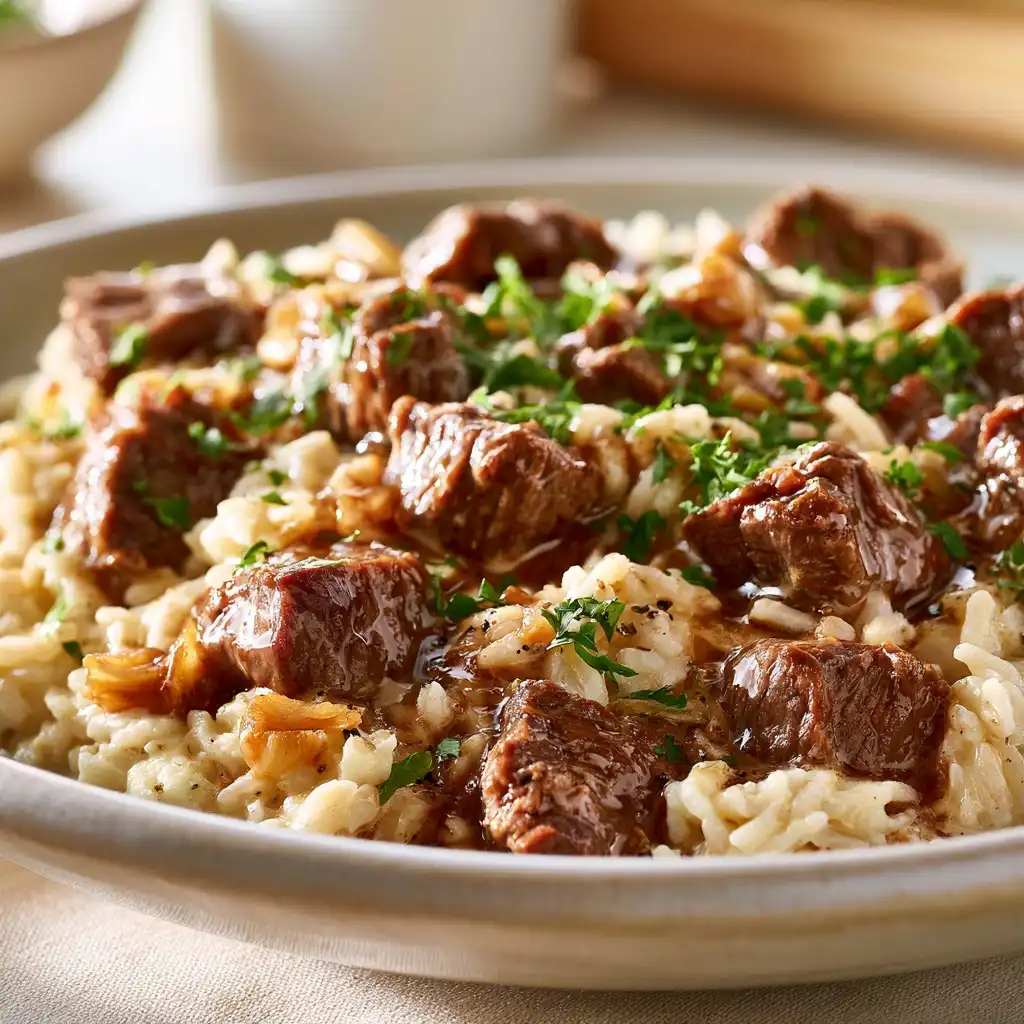
When your weeknight is racing by and everyone’s asking what’s for dinner, this one-pan beef and broccoli hits every mark. You’ll have tender strips of beef and vibrant green florets swimming in a glossy, restaurant-style sauce, all ready in about 25 minutes. No wok required, no fancy techniques, just a regular skillet and ingredients you probably already have.
This dish has saved me countless evenings when time was tight and the budget was tighter. It’s the kind of easy weeknight dinner that makes you feel like you’ve got it all together, even when you’re winging it. The best part? You’re getting a healthy dinner on the table that tastes like takeout but costs a fraction of the price, and your kids will actually eat the broccoli without complaint.
Why This Beef and Broccoli Works for Busy Families
Let me tell you why this recipe belongs in your weeknight dinner rotation. First, everything cooks in one pan. The broccoli steams right in the skillet first, then you sear the beef in the same pan, building flavor as you go. No juggling multiple pots, no separate blanching steps, no chaos.
Second, it’s a cheap dinner for a family that doesn’t taste cheap. Flank steak stretches beautifully here because the marinade keeps it tender and the sauce adds so much flavor. You’re feeding four people for under fifteen dollars, and leftovers taste even better the next day over rice or tucked into wraps.
Third, this is genuinely a healthy dinner idea. You’re getting lean protein, fiber-rich vegetables, and a sauce that’s balanced without being heavy or overly salty. Compare that to takeout, where you’re often dealing with hidden sugars, excess sodium, and mystery ingredients.
Skillet vs. Wok: Why One-Pan is the Home Cook’s Winner
The traditional stir-fry method requires a wok: a round-bottomed pan designed for high, focused heat and continuous, rapid tossing. For the home kitchen, however, the heavy, flat-bottomed skillet is actually a far more practical and efficient tool for achieving a truly high-quality one-pan beef and broccoli.
- Better Searing: A flat-bottomed stainless steel or cast iron skillet holds heat consistently across the entire surface. This is critical for achieving the Maillard reaction—that beautiful, flavorful brown crust on your beef strips—which is key to that signature “takeout” taste.
- Controlled Steaming: The flat surface allows a small amount of liquid to spread evenly, creating the perfect shallow steam bath for the broccoli, achieving that vibrant color and crisp-tender texture without overcooking.
- Flavor Building: By performing the steaming, searing, and sauce-making all in the same regular skillet, you ensure all the fond (the browned flavor bits) from the beef and broccoli are incorporated directly into the final sauce, creating a deeper, more cohesive flavor base than a traditional wok can achieve on a standard home stove.
This one-pan beef and broccoli method is simply optimized for the tools you already have, making it the fastest and most foolproof easy weeknight dinner solution.
Choosing Your Beef Cut
Flank steak is my top choice for beef and broccoli because it has great beefy flavor and stays tender when sliced thin against the grain. Skirt steak works beautifully too. If you’re working with a tighter grocery budget, sirloin or even top round can deliver excellent results with one trick: add a quarter teaspoon of baking soda to your marinade and let it sit for 20 minutes. This is a restaurant technique that tenderizes tougher cuts, creating that silky texture you expect from easy beef recipes.
Always slice your beef against the grain into strips about a quarter-inch thick. Look at the meat and notice which direction the muscle fibers run, then cut perpendicular to those lines. This shortens the fibers and makes every bite more tender.
The Simple Marinade and Sauce
The marinade is intentionally minimal because beef cooks fast and we want it to sear, not steam. Soy sauce adds saltiness and umami, cornstarch creates a light coating that helps browning and thickens the final sauce, and a touch of oil prevents sticking.
The sauce brings everything together with layers of flavor. Chicken or beef stock forms the base, giving body without heaviness. Soy sauce and a splash of dark soy sauce (which adds deep color and a hint of sweetness) provide that classic savory backbone. Shaoxing wine, a Chinese cooking wine, contributes subtle complexity. If you don’t have it, dry sherry works perfectly, or even a splash of sake. Brown sugar balances the saltiness, and cornstarch thickens everything into that glossy, clingy sauce that coats every piece of beef and broccoli.
Achieving the Takeout Glaze: The Role of Cornstarch
You know that beautiful, glistening, glossy sauce that perfectly coats every strip of beef and every floret of broccoli in a great takeout dish? The secret is simple: cornstarch—and we use it in two distinct ways to build maximum flavor and texture:
- As a Marinade Coating: When you toss the beef in the cornstarch, it creates a thin, protective layer. When the beef hits the hot skillet, this coating instantly seals the surface, locking in the beef’s natural juices. This is the key to achieving those tender strips of beef you’re after.
- As the Thickener: When the sauce hits the pan, the heat activates the cornstarch in the liquid. It thickens rapidly, transforming the watery stock into a smooth, glossy, clingy sauce that beautifully coats everything.
This two-step cornstarch technique is the primary reason this recipe graduates from being a simple, saucy dish to a restaurant-quality meal. If you prefer a slightly lighter sauce, you can reduce the cornstarch in the final sauce mixture by half, but for that authentic takeout texture, stick to the measurement!
One-Pan Cooking Method
Here’s how the cooking unfolds. Start by adding about a quarter cup of water to your heated skillet. Toss in the broccoli florets, cover the pan, and let them steam for about 90 seconds until they turn bright green and just tender. You want them cooked but still with some bite—they’ll continue cooking slightly when you add them back later. Transfer the broccoli to a plate.
Wipe out any remaining water with a paper towel, then crank your heat to medium-high. Add oil, let it shimmer for a few seconds until you see those heat waves, then spread your marinated beef in a single layer. This is crucial: don’t move it for 30-40 seconds. You want that beautiful caramelized brown crust forming on the bottom. When you see the edges turning golden brown, flip the pieces. Toss and stir for another 30 seconds until the beef is just cooked through but still a little pink in the very center.
Add your minced garlic and ginger, stirring for about 15 seconds until fragrant. You’ll smell that aromatic wave hit you. Pour in your sauce, let it bubble and thicken for about 45 seconds, then return the broccoli to the pan. Toss everything together until each piece is coated and the sauce clings beautifully. The whole active cooking time is under 10 minutes.
Timing and Temperature Cues
Success with this dish comes down to recognizing visual and sensory cues. When steaming broccoli, look for that color shift from dull to bright, almost electric green. If you pierce a stem with a fork, it should meet gentle resistance, not be rock-hard or mushy.
For the beef, listen for the sizzle when it hits the hot oil. That sound tells you the pan is hot enough for proper browning. When the sauce goes in, it should bubble immediately and start thickening within 30 seconds as the cornstarch activates. The final sauce should coat the back of a spoon and cling to the beef without being gloppy or watery.
If your sauce seems too thick, splash in a tablespoon of water. Too thin? Let it bubble another 20 seconds. The beauty of cornstarch thickening is that it happens fast and you can adjust on the fly.
The Aromatic Wave: Maximizing Garlic and Ginger Flavor
While the beef and broccoli are the stars, the complexity of this dish comes entirely from the fragrant base of garlic and ginger. To ensure your one-pan beef and broccoli truly pops with flavor, you must properly bloom these aromatics in the skillet.
This is a quick, but essential step:
- Low and Slow is Wrong: You want high heat for a short time. After searing the beef, the pan is hot and filled with seasoned oil.
- The Scent Signal: Add the minced garlic and ginger and stir constantly for about 15–20 seconds. You will quickly smell an aromatic wave—this is the point where the flavor compounds are fully released into the oil.
- Preventing Burn: Crucially, if you smell the garlic starting to burn (a sharp, acrid scent), stop immediately and pour in the sauce. Burned garlic will ruin the entire dish. The addition of the sauce (a cold liquid) immediately stops the cooking process, trapping all that wonderful, toasted aromatic flavor right before the sauce thickens.
This quick 15-second aromatic bloom is the secret step that makes your homemade sauce taste authentic, deep, and far better than any packet sauce.
Serving Suggestions and Variations
Serve this over steamed white rice, brown rice, or cauliflower rice for a lighter option. Fried rice makes it feel extra special, and sometimes I’ll toss it with lo mein noodles for variety. A sprinkle of sesame seeds adds visual appeal and a subtle nutty crunch.
Want to make it a complete sheet pan dinner? Roast some sliced bell peppers or snap peas alongside the broccoli. Carrots add sweetness and color—just slice them thin so they cook in the same time frame.
For kid-friendly dinners, keep the sauce mild and let adults add chili oil or sriracha at the table. My kids love this served over rice with extra sauce on the side for dipping.
Storage and Meal Prep
This recipe is meal prep gold. Store leftovers in an airtight container in the refrigerator for up to four days. The flavors actually deepen overnight as everything marinates together. Reheat gently in a skillet over medium heat with a splash of water or broth to loosen the sauce, stirring frequently. Microwaving works too, but do it in 30-second intervals to prevent the beef from overcooking.
For true meal prep, cook the entire recipe on Sunday, portion it into individual containers with rice, and you’ve got easy meals for dinner throughout the week. You can also prep the components separately: marinate the beef, chop the broccoli, and mix the sauce, storing everything in the fridge. When dinner time hits, you’re just 10 minutes from eating.
Freezing is possible but the broccoli texture suffers slightly. If you plan to freeze, undercook the broccoli by about 30 seconds so it doesn’t turn mushy when reheated.
Why This Beats Takeout
Making beef and broccoli at home gives you control over every ingredient. You know exactly how much sodium is going in, there’s no mystery oil, and you can adjust sweetness to your family’s preference. It’s faster than waiting for delivery, fresher than anything that’s been sitting under heat lamps, and costs half as much.
Plus, the satisfaction of pulling off a dish this flavorful and satisfying on a busy weeknight never gets old. You’re teaching yourself and your family that quick, healthy, and delicious aren’t mutually exclusive.
This one-pan beef and broccoli proves that weeknight cooking doesn’t have to be complicated or boring. With minimal prep, one skillet, and 25 minutes, you’re serving up a meal that tastes like you ordered in but feels like a win in every way that matters.
FAQ
Can I make beef and broccoli ahead of time for easy weeknight dinners?
Yes, beef and broccoli stores beautifully for up to four days in the refrigerator. You can cook the full recipe in advance, or prep all components separately (marinate beef, chop broccoli, mix sauce) and store them in airtight containers. When you’re ready to eat, the actual cooking takes just 10 minutes, making it perfect for meal prep.
What’s the best cut of beef for beef and broccoli stir fry?
Flank steak or skirt steak work best because they’re flavorful and tender when sliced thin against the grain. Sirloin is another good option. If you’re using tougher cuts like round steak to keep it a cheap dinner for a family, add 1/4 teaspoon baking soda to the marinade and let it sit for 20 minutes to tenderize the meat.
How do I keep my broccoli from getting mushy in one-pan recipes?
Steam the broccoli just until bright green and barely tender (about 90 seconds covered), then remove it from the pan. It will continue cooking slightly from residual heat. Only add it back in the final minute when you’re coating everything with sauce. This keeps the florets vibrant and crisp rather than overcooked.
Can I use frozen broccoli for this beef and broccoli recipe?
Fresh broccoli works best for texture and color, but frozen broccoli florets will work in a pinch. Thaw them first and pat dry completely to remove excess water. Skip the steaming step and add them directly when you return the vegetables to the pan, cooking just until heated through.
What can I serve with beef and broccoli for a complete healthy dinner?
Steamed white or brown rice is classic, but this dish also pairs beautifully with fried rice, cauliflower rice for a low-carb option, or lo mein noodles. For a complete sheet pan dinner approach, add roasted vegetables like bell peppers or snap peas on the side.