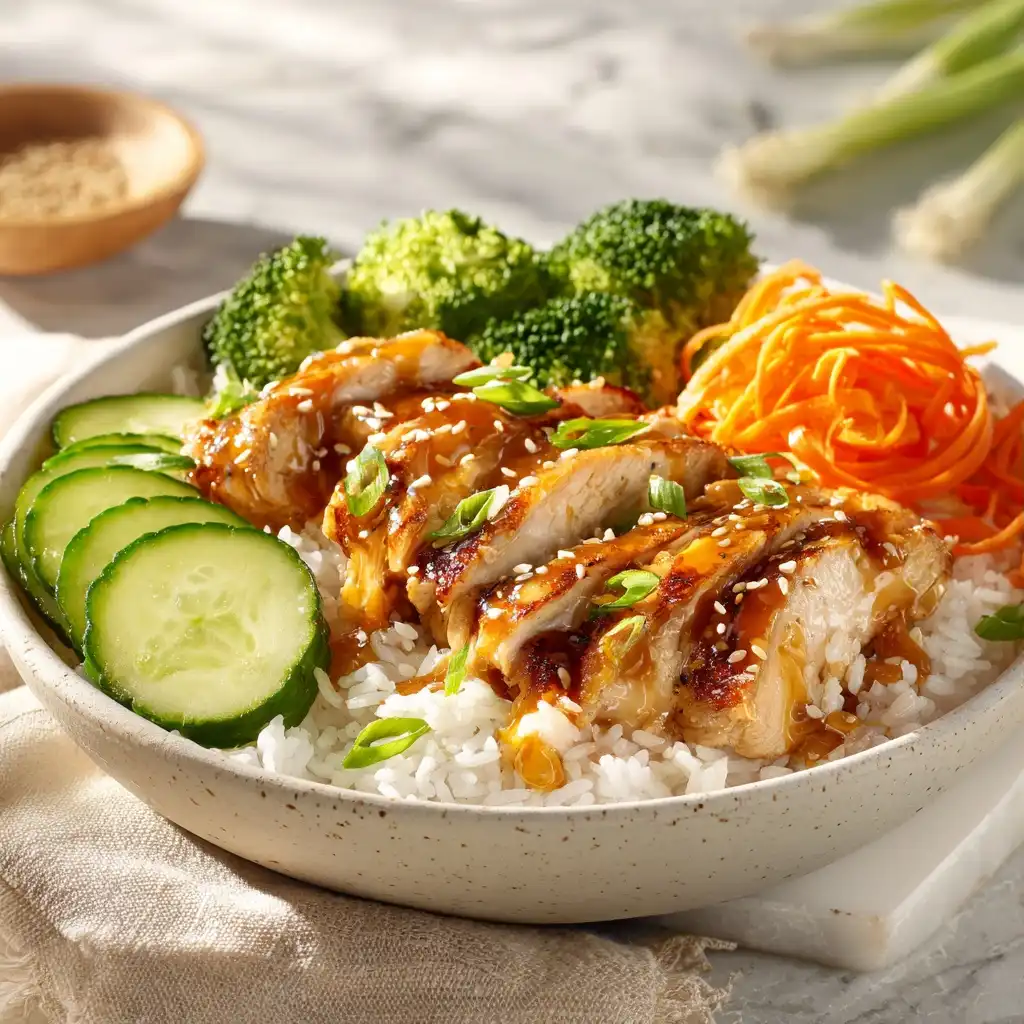
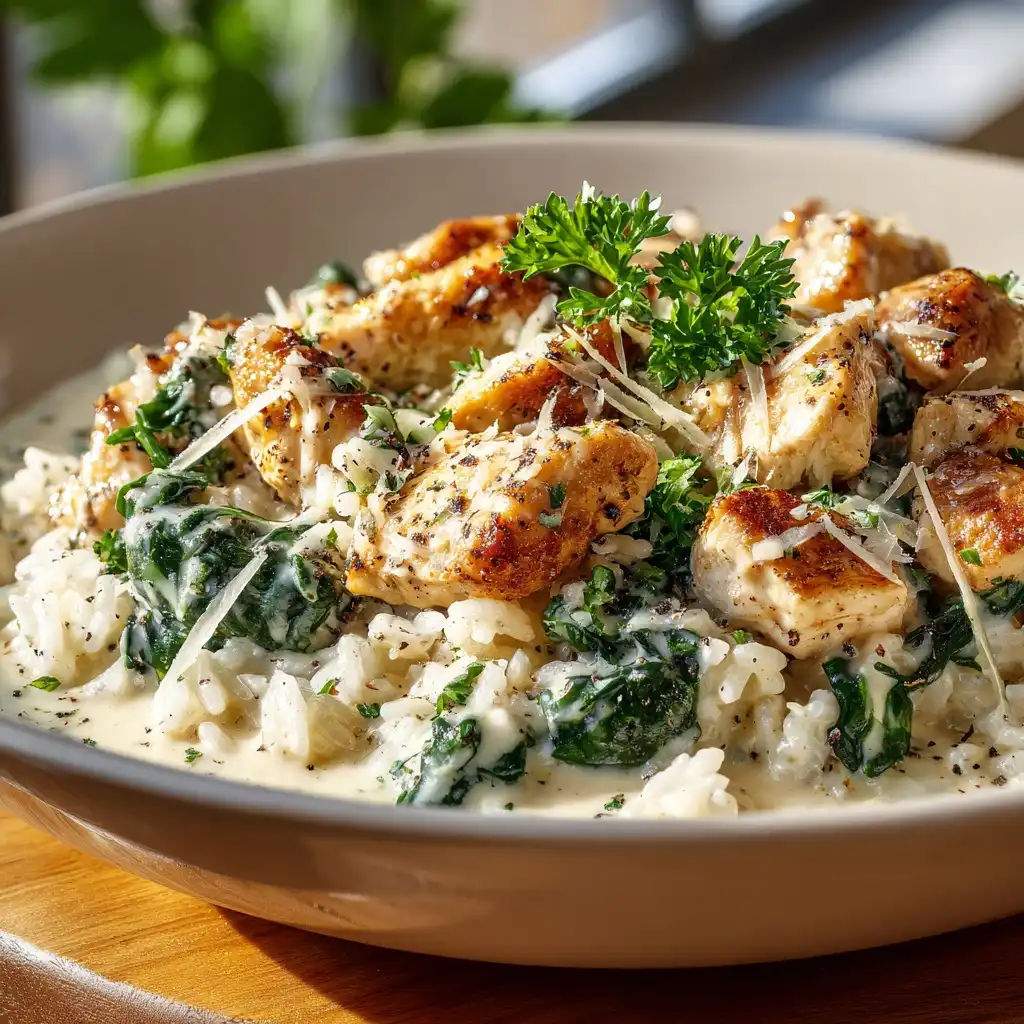
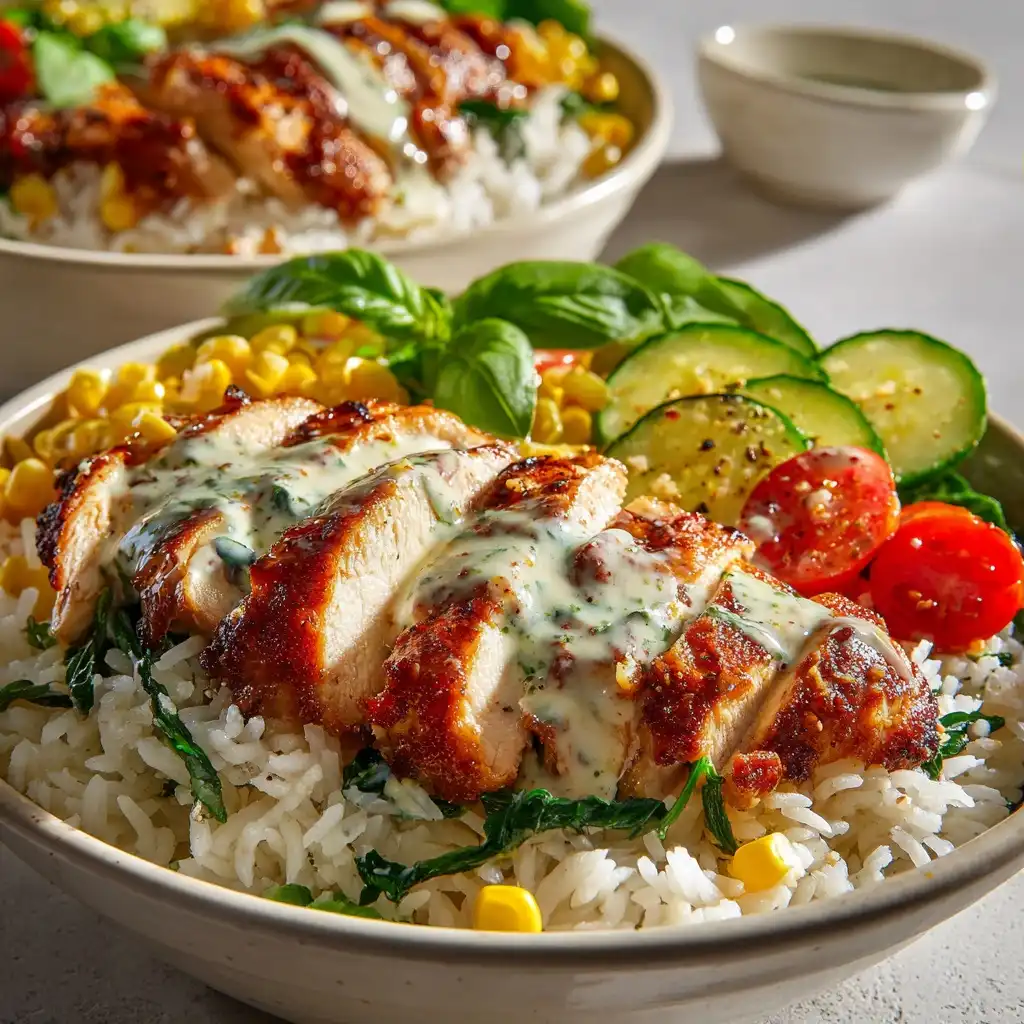
As a Registered Dietitian and home cook, I hear it all the time: “I love the flavor of chicken thighs, but my boneless, skinless baked chicken always turns out dry and rubbery.”
Boneless, skinless chicken thighs are the ultimate weeknight protein. They are affordable, full of rich, savory flavor, and are incredibly fast to cook. But in the oven, they can be surprisingly tricky. Unlike the bone-in, skin-on variety, which has a protective layer of fat and insulation from the bone, the skinless, boneless cut is thin, irregularly shaped, and has less fat than you might think.
This setup creates two major failure points:
Uneven Cooking: Thighs naturally vary in thickness, leading to some parts overcooking (and drying out) before the thickest part is done.
Collagen Meltdown Mismanagement: Dark meat contains a lot of connective tissue, called collagen. This collagen is what makes dark meat juicy and fork-tender—but only if you cook it long enough to melt the collagen into gelatin. The trick is hitting that sweet spot before all the moisture evaporates.
The solution isn’t just a recipe; it’s a foolproof technique. This guide will show you how to consistently achieve a perfectly juicy baked boneless skinless chicken thigh in under 30 minutes total, turning a potential disaster into a weeknight win.
The Solution: High Heat & Temperature Precision
Our definitive method relies on two core principles: high-heat roasting for speed and browning, and precise internal temperature management for optimal texture.
Your Essential Tool: The Instant-Read Thermometer
If you take one piece of advice from this entire article, let it be this: stop relying on time alone. The only way to guarantee a juicy finish is by checking the internal temperature with an instant-read thermometer.
While chicken is technically safe to eat at 165°F (74°C), dark meat texture is vastly superior when cooked to a higher temperature. Why? Because that tough collagen needs more heat and time to break down into silky gelatin, which is what gives dark meat its signature melt-in-your-mouth feel.
Our goal temperature is 185°F to 195°F in the thickest part of the thigh.
30-Minute Baked Boneless Skinless Chicken Thighs (Guaranteed Juicy)
This quick recipe uses a powerful spice rub and high heat (425°F/220°C) to create a deeply flavorful, slightly caramelized crust without the need for a long marinade.
Key Prep Steps for Success
Trim and Flatten (The Secret to Even Cooking): Before seasoning, lay each thigh flat. Use a sharp knife or kitchen shears to quickly trim away any excessive pockets of fat or raggedy edges. Then, place a sheet of plastic wrap over the thigh and use a meat tenderizer or the bottom of a small saucepan to gently pound the thickest part until the piece is mostly uniform in thickness. This ensures every part cooks in the same 20–25 minute timeframe.
Pat It Dry (The Key to Browning): Moisture is the enemy of browning. Use paper towels to vigorously pat the chicken thighs completely dry. This simple step prevents the chicken from steaming in the oven, helping the spice rub form a beautiful, flavorful crust.
The Ultimate All-Purpose Rub
Our favorite blend for this recipe uses a combination of savory, sweet, and smoky elements:
- 2 tsp Kosher Salt
- 1 tsp Black Pepper
- 1 tsp Smoked Paprika (Crucial for depth of flavor)
- 1 tsp Garlic Powder
- 1 tsp Onion Powder
- 1/2 tsp Dried Thyme or Oregano
- Pinch of Cayenne Pepper (Optional, for a tiny kick)
Step-by-Step Baking Method
Preheat & Prep: Preheat your oven to 425°F (220°C). Line a rimmed baking sheet with aluminum foil for easy cleanup, or for slightly better airflow, use a wire rack placed over the foil-lined sheet.
Seasoning: Place the prepared (patted dry and trimmed) chicken thighs in a large bowl. Drizzle with 1 tablespoon of avocado or olive oil, then toss with the spice rub until every surface is evenly coated.
Arrange: Place the seasoned thighs on the prepared baking sheet in a single layer, ensuring they are not touching. This allows the hot air to circulate.
Bake: Bake for 20–22 minutes.
Check Temperature: At the 20-minute mark, insert your instant-read thermometer into the thickest part of the largest thigh. The chicken is done when it registers between 185°F and 195°F.
Broil for Color (Optional but Recommended): If the thighs look done but lack a deep, golden color, turn the oven to Broil (High). Move the pan to the highest rack (about 6–8 inches from the broiler element). Watch constantly for 1–3 minutes until the surface is caramelized. Do not walk away!
Rest: Remove the chicken from the oven and let it rest on the pan for 5 minutes. This resting period is non-negotiable, as it allows the internal juices to redistribute, guaranteeing maximum tenderness.
The Health Perspective: Debunking the Dark Meat Myth
Many readers ask if switching from chicken breast to the thigh undermines their health goals. The answer is no! As an RD, I can tell you that boneless, skinless chicken thighs are an incredibly nutritious and flavorful protein choice.
It is true that dark meat contains more fat than white meat (breast), but that fat is what makes it so much more forgiving to cook and so deeply satisfying.
| Feature | Boneless, Skinless Chicken Breast (3.5 oz / 100g, cooked) | Boneless, Skinless Chicken Thigh (3.5 oz / 100g, cooked) | Why it Matters for You |
|---|---|---|---|
| Calories | ~165 kcal | ~179 kcal | The difference is minimal. |
| Protein | ~31 g | ~25 g | Both are excellent protein sources for muscle synthesis and satiety. |
| Total Fat | ~3.6 g | ~8.2 g | The higher fat content in the thigh makes it significantly harder to dry out. |
| Iron Content | Lower | Higher (nearly double) | Chicken thighs offer more vital Iron and Zinc for energy and immune support. |
| Vitamin B12 | Good Source | Excellent Source | Essential for nerve function and blood cell formation. |
The RD Verdict: The slight increase in fat and calories in the thigh is often a great trade-off for a much more enjoyable, moist meal that is harder to overcook. Plus, it provides more essential micronutrients like iron and zinc. Incorporating dark meat, especially when the skin is removed, is a healthy and budget-friendly way to maintain a high-protein diet.
Troubleshooting and Expert Advice
Even with the perfect recipe, small variables—like your specific oven’s calibration, the size of the thighs, or the altitude of your kitchen—can affect the outcome. Here are my expert tips to solve the most common issues.
Dynamic Data: Texture vs. Safety Temperature Guide
| Temperature (Internal) | Texture Result | Safety Status | RD Recommendation for Thighs |
|---|---|---|---|
| 165°F (74°C) | Safe, but often firm, slightly chewy, and less tender. | SAFE (Minimum for all chicken) | Avoid. Collagen hasn’t broken down. |
| 175°F (79°C) | Juiciness improves; still a little springy. | Safe | Acceptable if avoiding higher fat content. |
| 185°F (85°C) | Optimal. Collagen melts to gelatin; meat is fork-tender. | Safe | Recommended minimum for ideal texture. |
| 195°F (90°C) | Fall-apart tender, shreddable, incredibly moist. | Safe | Ideal for thicker cuts or shredding. |
Expert Fixes for Common Failures
Problem: The chicken is done but has no color or crust.
Fix: Use the Broiler for 1–3 minutes to caramelize the rub. Avoid parchment paper under the broiler—use foil or a metal pan.
Problem: The meat is juicy but tough or rubbery.
Fix: You likely stopped at 165°F. Push to 185°F–195°F to melt collagen fully. The fat protects it from drying out.
Problem: The chicken is cooking too fast on the outside before the inside is ready.
Fix: Pound them flat for even thickness, and ensure your oven rack is centered.
Customizations and Flavor Variations
This basic technique for 30-Minute Baked Boneless Skinless Chicken Thighs is a canvas for endless flavor profiles.
Global Rub Variations
Asian Inspired: Replace paprika/thyme with 1 Tbsp brown sugar, 1 tsp ground ginger, 1 tsp five-spice powder, and 1 tsp soy sauce.
Mediterranean: Swap paprika for oregano, add a pinch of dried mint, and finish with lemon zest and juice.
Southwestern: Increase cumin and smoked paprika, add chili powder, and serve with sour cream and pico de gallo.
Making It a Sheet Pan Dinner
To create a full meal in the same 30-minute window, cut up quick-cooking vegetables and add them to the pan.
Best Veggies (30-Minute Cook Time): Broccoli, bell peppers, asparagus, zucchini, thin-sliced onions.
Method: Toss veggies separately with oil, salt, and pepper. Arrange in a single layer. Place chicken on top or alongside. Everything finishes at the same time.
Meal Planning, Prep, and Pairings
This recipe is designed for the weeknight rush, making it ideal for bulk cooking and meal prep.
Perfect Pairings and Sides
Fresh & Bright: Arugula salad, green beans, or slaw with lemon vinaigrette.
Comfort Starch: Mashed potatoes, rice pilaf, or our ditalini recipe.
Gourmet Complement: Pair with steak creamy garlic shrimp for a surf-and-turf twist.
Meal Prep and Storage (RD-Approved)
The baked thighs are excellent for preparing ahead, allowing quick high-protein meals throughout the week.
Storage: Store in an airtight container up to 4 days.
Reheating: Oven or air fryer at 350°F (175°C) for 5–8 minutes until warmed through. Avoid the microwave to preserve texture.
Conclusion: Your New Weeknight Staple
The secret to mastering 30-Minute Baked Boneless Skinless Chicken Thighs is twofold: use the dark meat’s natural fat to your advantage and rely on temperature precision to break down collagen. By following these expert steps—patting dry, trimming for uniformity, and hitting 185°F—you’ll guarantee a tender, flavorful, and juicy chicken dinner that earns a permanent place in your weeknight rotation.